

The following content only presents observational findings from in vitro cell and animal laboratory studies, and shall not be used to claim anti-aging, health care, cosmetic, oral or injectable effects for human bodies. This substance has not been approved as raw material for cosmetics, food and is only allowed for laboratory research. All product listings and customs declarations shall be clearly marked: For research experiments only, not for human use.
I. Core Action Pathways
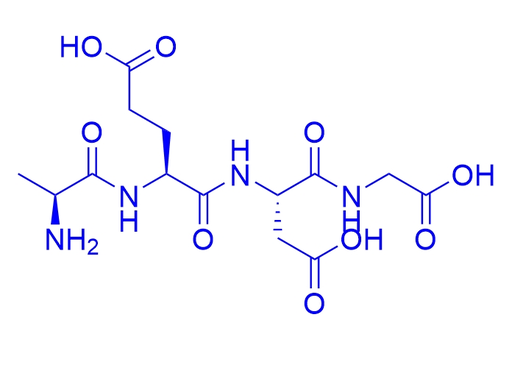
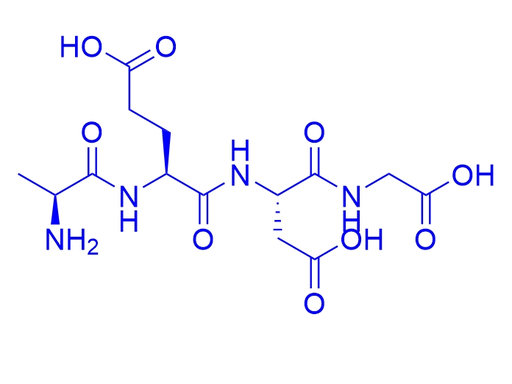
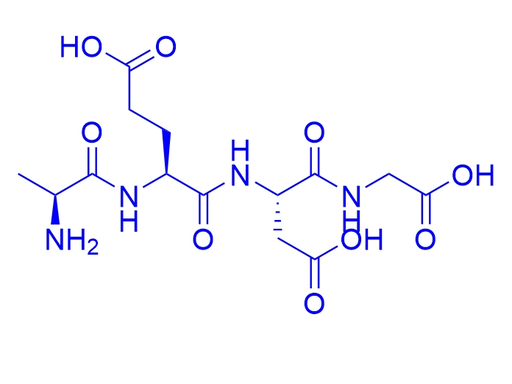
Epithalon is a synthetic active tetrapeptide derived from pineal gland (Ala-Glu-Asp-Gly, AEDG). It mainly regulates two core pathways:
Upregulate cellular telomerase activity to stabilize chromosomal telomere length and interfere with replicative cellular senescence;
Modulate pineal endocrine secretion, regulate melatonin synthesis, and balance genes related to oxidative stress and immunity.
II. Five Major Efficacies Observed in Laboratories
Activate telomerase and delay cellular senescence
Slow down telomere shortening during continuous cell division and reduce the ratio of senescent and apoptotic cells. It is a core experimental material for aging and lifespan-related models.
Regulate endocrine and stabilize circadian rhythm
Boost endogenous melatonin secretion in animal models and relieve circadian rhythm disorders, widely used in animal experiments on neuroendocrine and sleep mechanisms.
Powerful antioxidant effect and DNA protection against damage
Scavenge intracellular ROS free radicals, alleviate DNA breaks induced by UV radiation and oxidative stimulation, and reduce oxidative aging damage of cells.
Immune regulation and research on tumor-related mechanisms
Downregulate oncogene-related expression and reduce the incidence of spontaneous tumors in laboratory animals, applied to preclinical animal experiments on immune senescence and tumor prevention.
Protection of nerve and retinal cells
Relieve oxidative damage of neurons and retinal pigment epithelial cells, commonly adopted in in vitro models of neurodegenerative diseases and ocular cell injury.
III. Applicable Research Scenarios (Laboratory Use Only)
Research on aging and lifespan mechanisms of cells and animals
Experiments related to pineal gland, endocrine and circadian rhythm
In vitro cell tests for anti-oxidation and DNA damage repair
Research on protection of retinal and nerve cells
Preclinical animal experiments related to inhibition of tumorigenesis