

The following content only describes observational results from in vitro cell and animal laboratory research, and shall not be used to claim therapeutic, cosmetic, oral or injectable efficacy for human bodies. This substance has not been approved as a raw material for cosmetics, food or It is listed on the WADA Prohibited List. Promotional claims regarding tissue repair for human end users are forbidden. Labels for product listing and customs declaration must clearly state "For research experiments only; not for human use".
I. Core Mechanism of Action
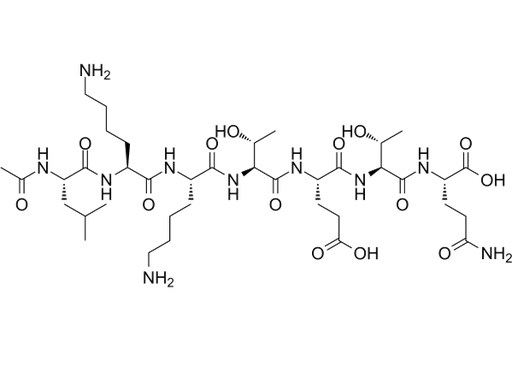
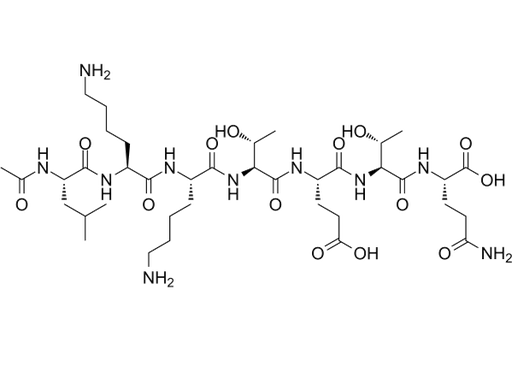
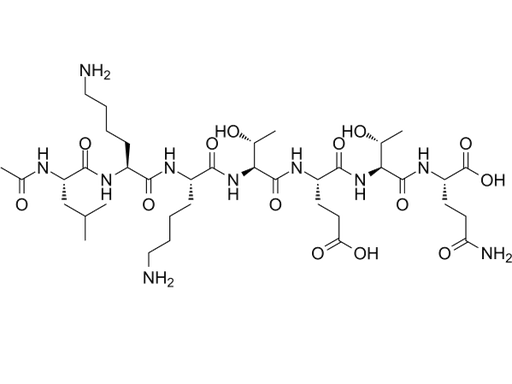
TB-500 is an active short peptide fragment of Thymosin β4, with actin as its core target:
It binds monomeric G-actin with high affinity and blocks its polymerization into filamentous F-actin, continuously storing free actin inside cells to rapidly remodel the cytoskeleton. This fundamentally drives cell migration, proliferation and tissue remodeling, while regulating signaling pathways related to inflammation and angiogenesis.
II. Four Major Research-Validated Efficacies
Accelerate cell migration and facilitate wound tissue repair
Promote directional migration of keratinocytes, fibroblasts and vascular endothelial cells;
Shorten the healing cycle of skin and soft tissue wounds in animal injury models;
Regulate matrix metalloproteinases to promote ordered collagen deposition and reduce the risk of scar hyperplasia.
Induce angiogenesis and improve microcirculation in damaged tissues
Upregulate the expression of Vascular Endothelial Growth Factor (VEGF) by 2.5 to 3.8 times;
Stimulate proliferation and sprouting of microvascular endothelial cells to form new microvessels at injured sites and boost local blood and oxygen supply.
Anti-inflammatory and anti-fibrotic effects
Block the canonical NF-κB inflammatory pathway, reduce the release of pro-inflammatory factors such as TNF-α and IL-8, and relieve swelling and chronic inflammation at damaged areas;
Inhibit excessive collagen accumulation to mitigate post-injury tissue sclerosis, fibrosis and scar thickening.
Cytoprotection and reduction of oxidative stress-induced apoptosis
Activate the Akt cell survival pathway to resist oxidative damage caused by free radicals, ultraviolet radiation and ischemia, and lower cell apoptosis rates;
It exerts cytoprotective effects on skeletal muscle, tendons, ligaments, cardiac muscle and epidermal epithelial cells.
III. Specific Research Application Fields (Laboratory Use Only)
Skin research: In vitro models for skin wound repair, epidermal barrier recovery and UV photodamage
Sports soft tissue research: Animal experiments on the repair of strained or torn tendons, ligaments and skeletal muscle
Cardiovascular research: Exploration of tissue repair mechanisms after myocardial ischemia and myocardial infarction
Ophthalmic research: In vitro models for corneal epithelial damage repair
Combined research: Frequently tested in combination with BPC-157. The two substances feature complementary action pathways and deliver synergistic benefits for tissue regeneration.