1. Product Overview
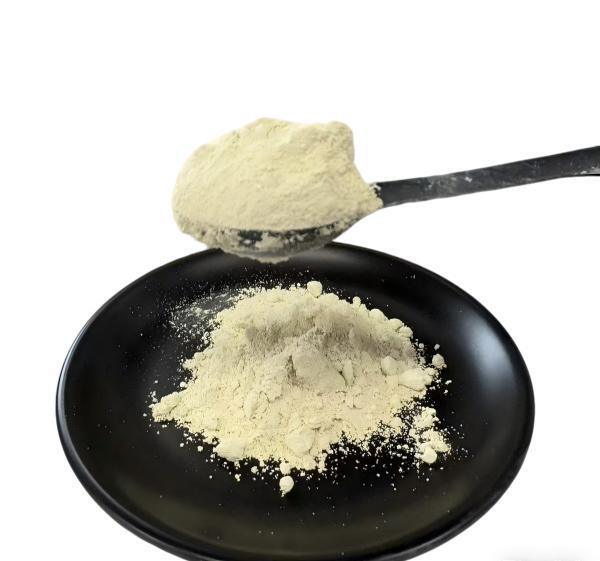
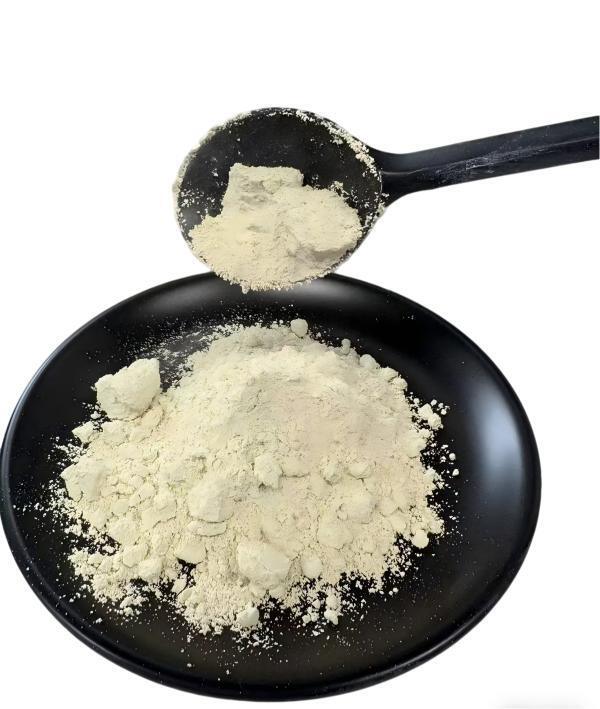
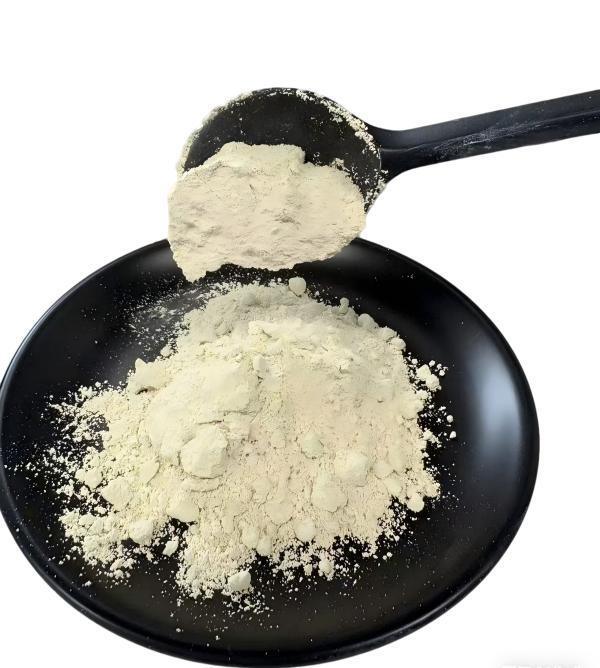
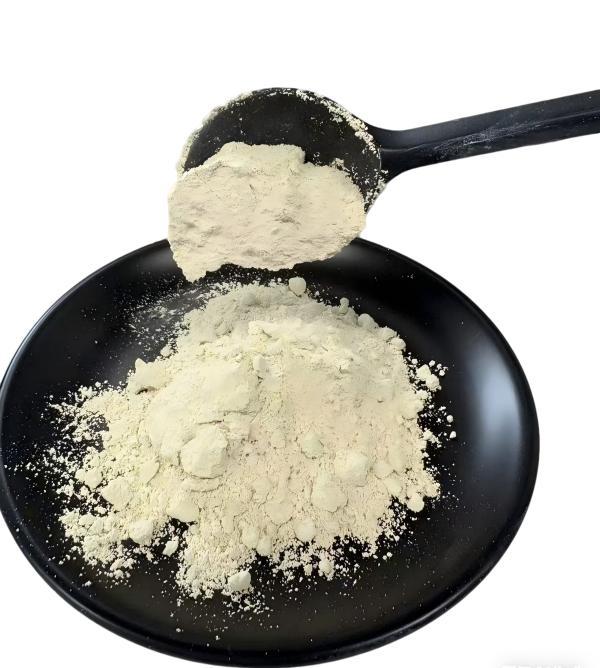
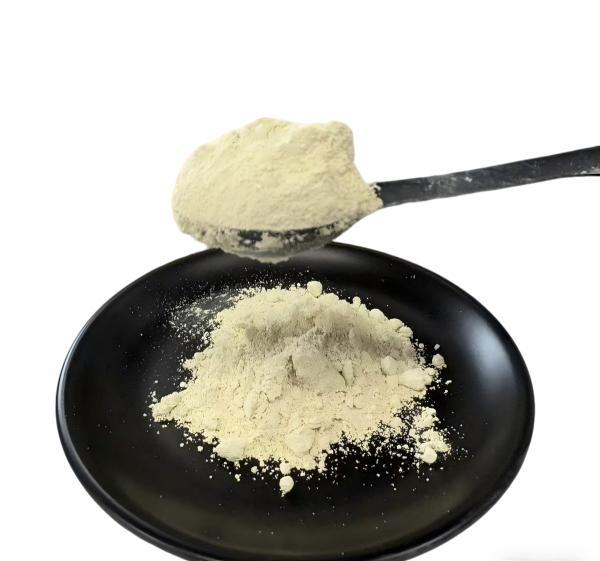
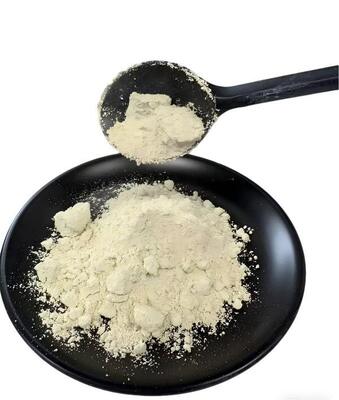
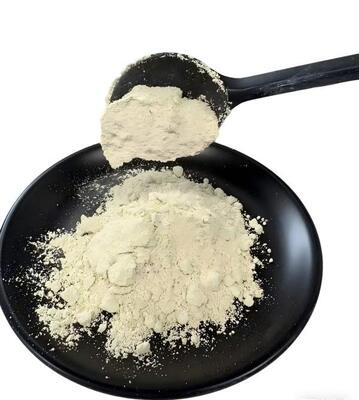
Urolithin A is a secondary metabolite produced by the metabolism of ellagic tannins in foods such as pomegranates, strawberries and nuts by the intestinal microflora. It appears as a yellow or pale yellow solid powder at room temperature, with a CAS No. of 1143-70-0, a molecular formula of C₁₃H₈O₄ and a molecular weight of 228.20. Its purity is usually ≥98% (determined by HPLC). It is easily soluble in strong polar organic solvents such as DMSO and has poor solubility in water. It is mainly produced via biosynthesis or chemical synthesis, and obtained the US GRAS certification in 2018, qualifying it as a raw material for dietary supplements.
2. Core Functions
Mitophagy Activation
It can activate the AMPK/PINK1-Parkin signaling pathway, precisely eliminate damaged mitochondria in muscle, nerve and other cells, promote the generation of new mitochondria, improve cellular energy metabolism, and delay age-related muscle loss, neurodegenerative diseases and other conditions.
Antioxidant & Anti-inflammatory Effects
It can activate the Nrf2 antioxidant defense system to scavenge free radicals and reduce oxidative stress; meanwhile, it inhibits the NF-κB inflammatory pathway to alleviate chronic inflammation and lower the risk of related diseases.
Muscle Function Enhancement
It helps clear senescent mitochondria in muscle cells, improve muscle strength and endurance, delay sarcopenia, and enhance athletic performance.
Neuroprotection & Cognitive Improvement
It can cross the blood-brain barrier to protect the mitochondrial function of nerve cells, exerting a positive effect on the prevention of Alzheimer's disease, Parkinson's disease and other neurodegenerative disorders, and also ameliorate cognitive impairment.
Immune & Metabolic Regulation
It can reverse immune senescence, increase the number of naive T cells, and boost immune cell activity and response capacity; it also improves metabolic health and has potential benefits for metabolic disorders such as obesity and diabetes.
Anti-tumor Potential
By regulating autophagy and inhibiting tumor proliferation and metastasis pathways, it exerts an inhibitory effect on colorectal cancer, prostate cancer and other malignancies, and can also enhance the efficacy of chemotherapeutic agents.
-
-
3. Application Scope
| Field |
Specific Applications |
| Dietary Supplements |
Added to protein shakes, meal replacements, nutrition bars, capsules and other products to help anti-aging, boost immunity and improve mitochondrial health |
| Sports Nutrition |
Developed into energy drinks and sports supplements to enhance endurance, accelerate athletic recovery and delay muscle loss |
| Skin Care |
Incorporated into anti-wrinkle serums, facial creams, facial masks and other skincare products to promote mitophagy in skin cells, exert antioxidant and anti-inflammatory effects, reduce wrinkles, repair damaged skin and strengthen the skin barrier |
| Biomedicine |
Used as a mitophagy activator to study the therapeutic mechanisms of neurodegenerative diseases, cardiovascular diseases, cancer and other illnesses; and for the development of anti-tumor and anti-inflammatory pharmaceutical preparations |
| Food Industry |
Applied as an antioxidant in beverages, yogurt and other food products to inhibit lipid oxidation and rancidity, extend shelf life, and endow products with additional health benefits |